Queensland Gov: Housing and Homelessness Service Reform
The Queensland Government needed to redesign its housing and homelessness facilities, opening up the opportunity to rethink customer and staff experiences and service delivery. This is a system characterised by fragmented pathways, dynamic roles, inconsistent service quality and high-stress interactions.
The goal was to create a unified service model, introduce clearer triage pathways, and redesign service centre environments to improve access, dignity, trust and safety for people seeking housing support.
These service interactions directly determine whether highly vulnerable individuals receive the right intervention at the right time, and whether they feel safe and supported during moments of significant stress making the work critical to support citizens across Queensland.
Role & Responsibilities
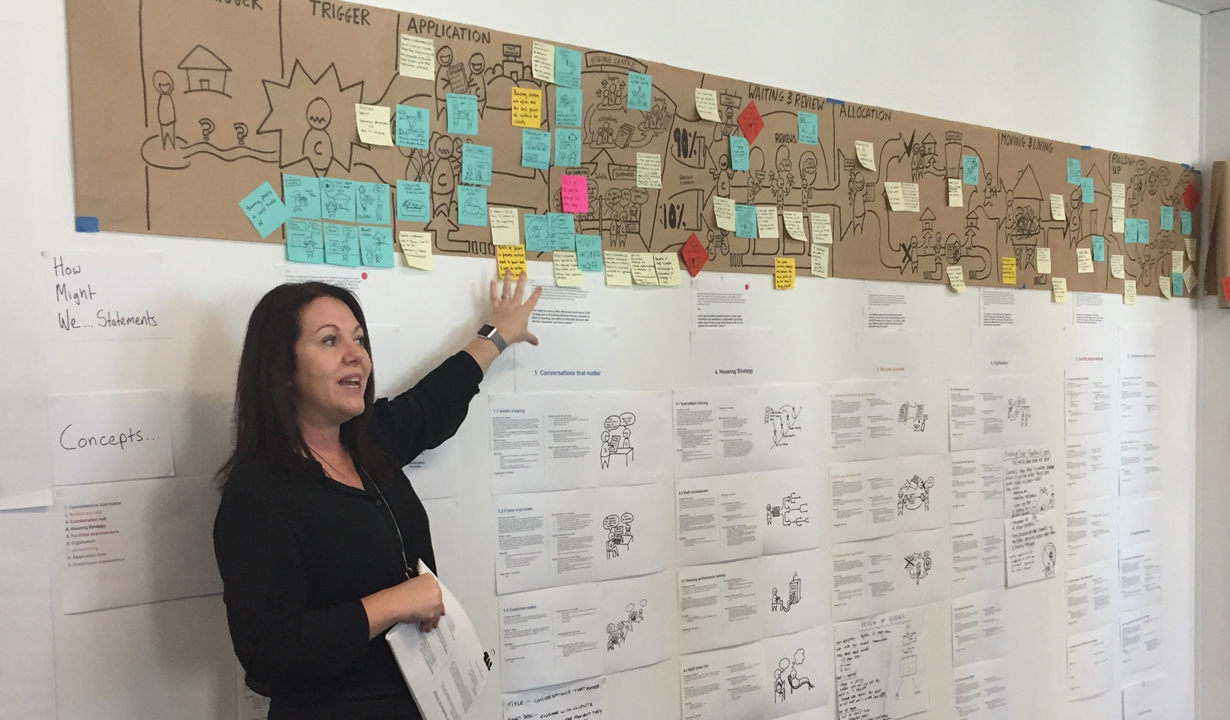
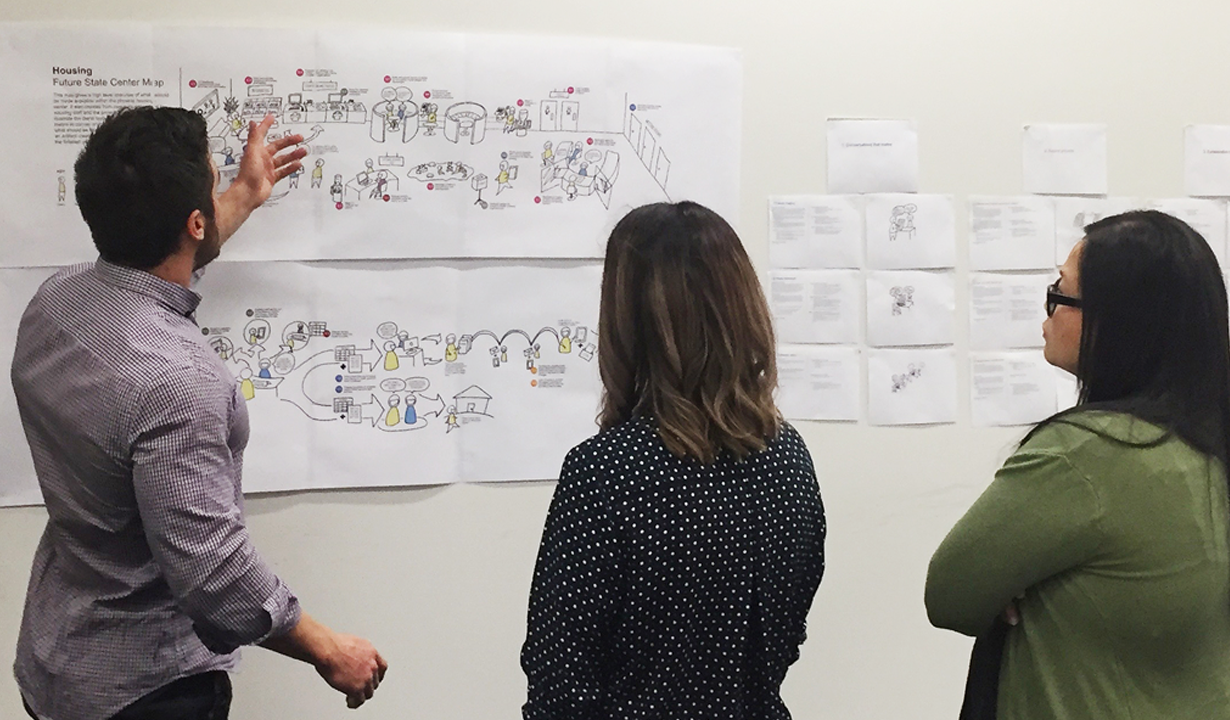
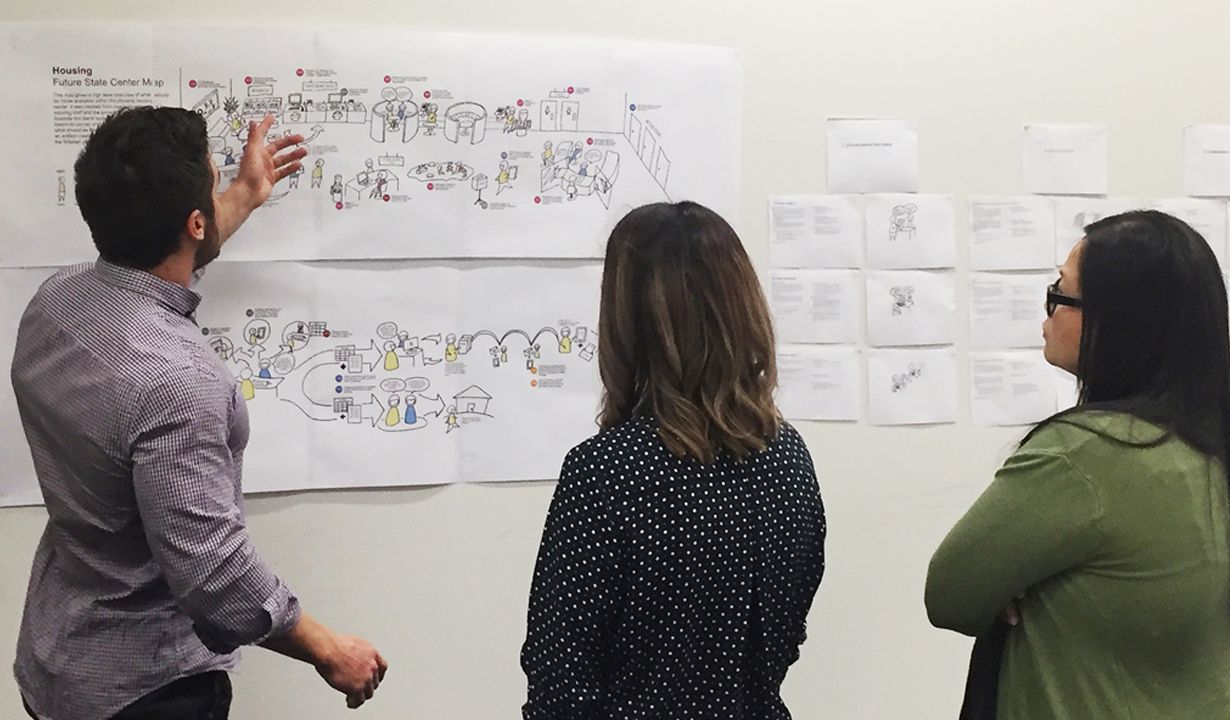
Led the team in the redesign of the service model, triage structures and service environment.
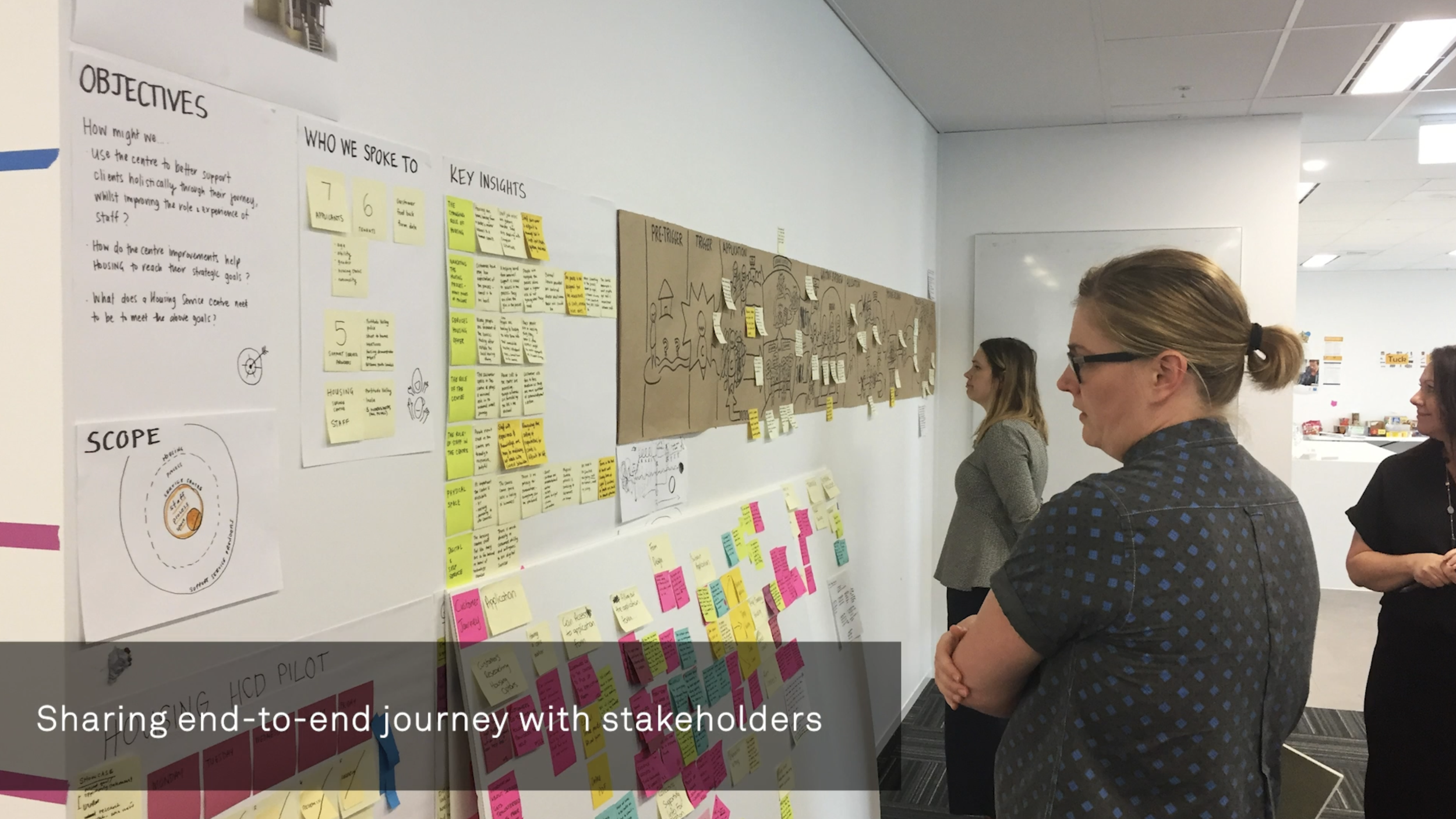
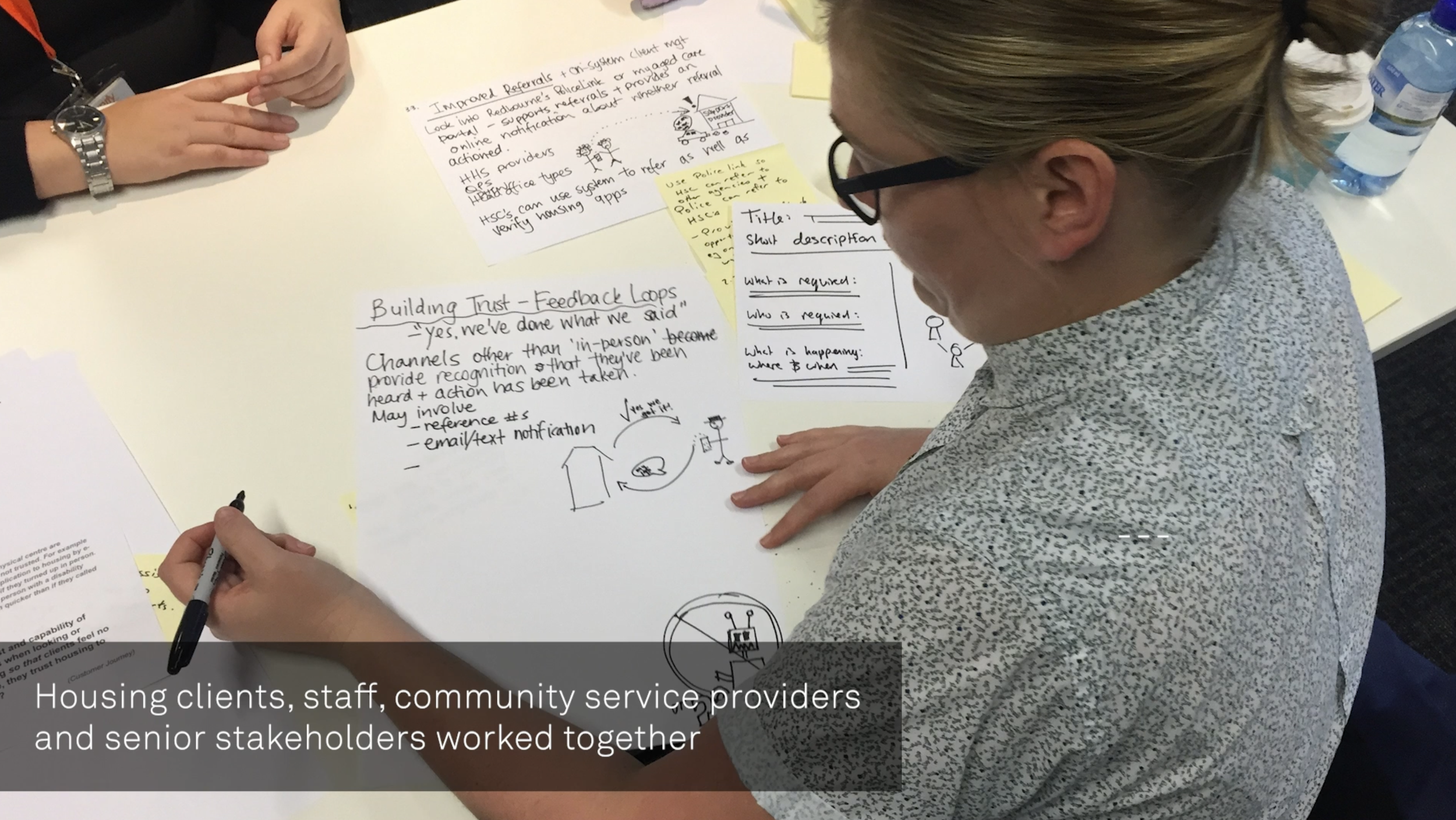
Conducted trauma-informed research and co-design with clients and frontline staff.
Oversaw live prototyping of space, behaviours and service practices.
Facilitated cross-agency alignment across policy, operations, and frontline leadership.
Embedded operating principles for trauma-informed, predictable service interactions.
What made this problem difficult
Multiple government agencies and NGOs operated siloed housing and support pathways.
Clients often arrived in distress or crisis, requiring trauma-informed, psychologically safe interactions.
Policy, funding, and legislative constraints shaped every step of the service experience.
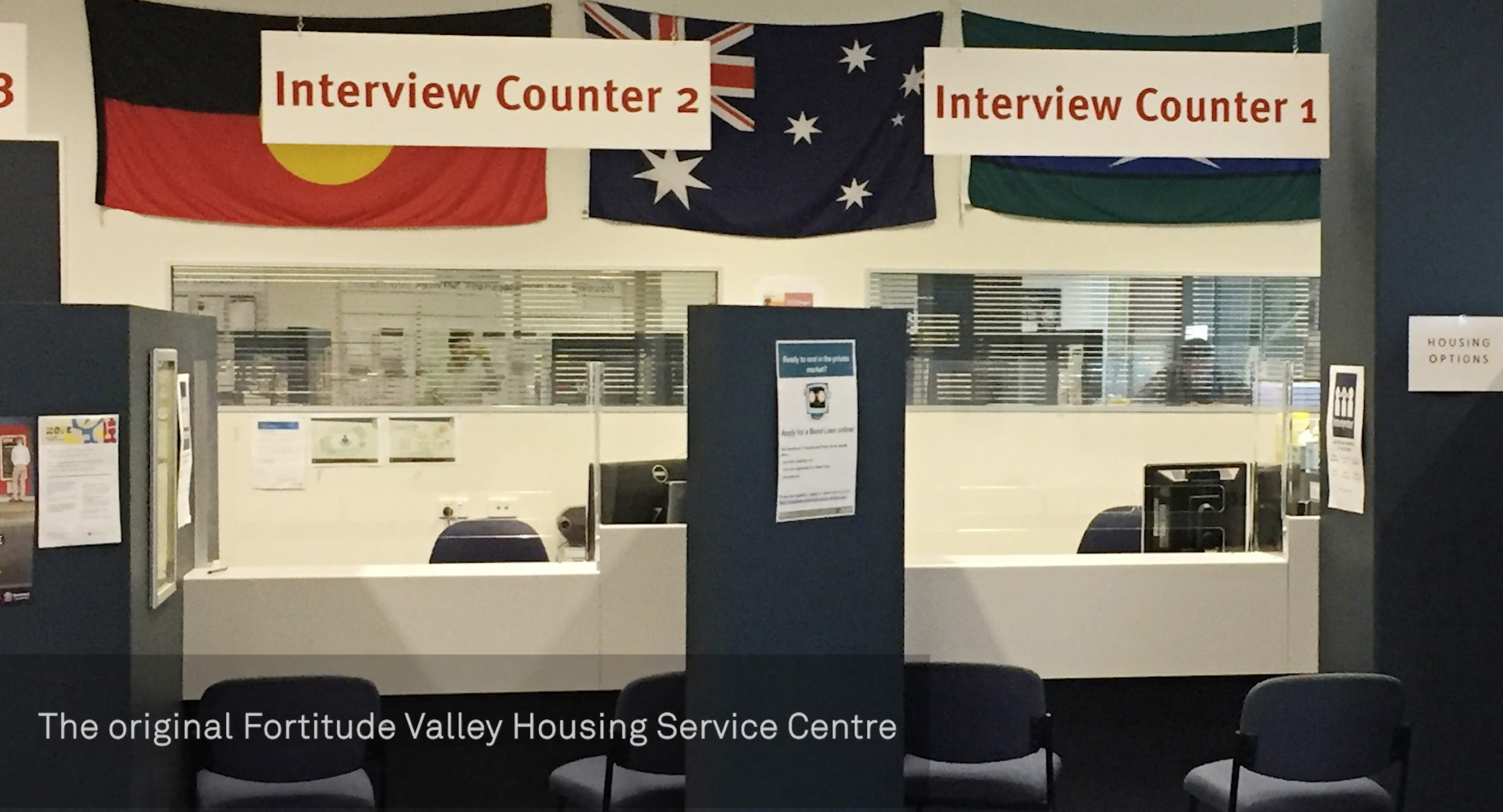
Physical environments unintentionally contributed to escalation, fear and confusion.
Long-standing cultural norms (“protect and process”) shaped staff behaviour and design of the space and service delivery.
The key strategic design questions
How do we create a unified, predictable pathway from crisis to stability?
What environmental and behavioural cues improve safety, trust and calm for distressed clients?
What service models and delivery experiences make clients feel safe, supported and feel progress towards their housing needs?
How do we redesign services in a way that is trauma-informed, operationally realistic and scalable?
Key design decisions
1: Designing a unified service model from crisis to stability
Issue: Clients cycled between services with no coherent pathway; roles, responsibilities and referral structures differed across regions.
Decision: Redesigned the end-to-end service model with clear roles, referral pathways, hand-offs and cross-agency responsibilities from first contact to long-term stability.
Trade-offs: Required significant investment in stakeholder alignment and unlearning entrenched habits; created short-term operational disruption.
Why it was right: Reduced duplication, shortened time to support, and created a scalable, consistent foundation for service delivery statewide.
After testing: Centre staff reported increased efficiency and smoother hand-offs; clients reported improved experience and support.
2: Removing perspex safety screens and prototyping new service layouts
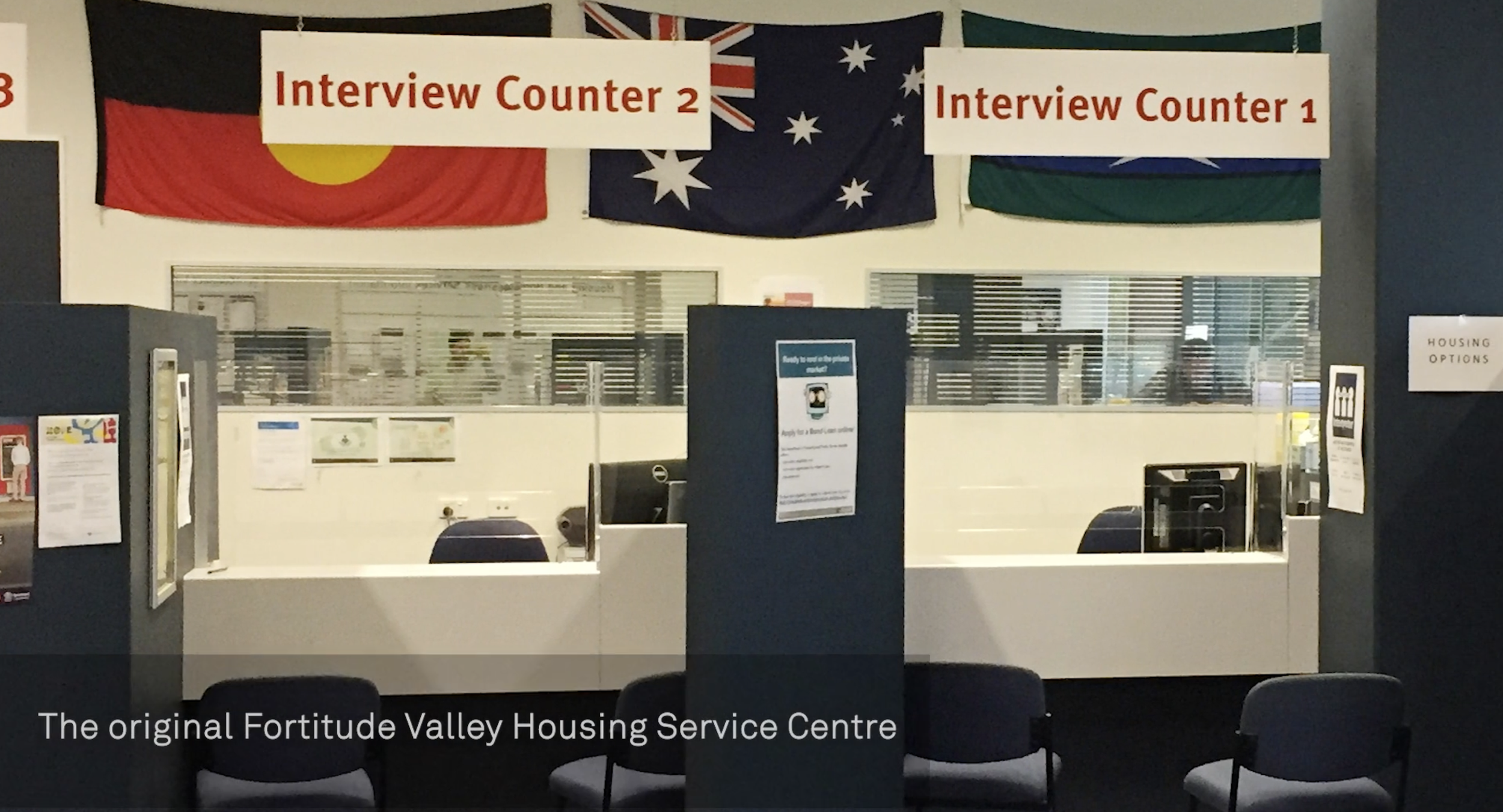
Issue: Perspex barriers intended to protect staff unintentionally escalated client behaviour and reinforced an adversarial “us vs them” dynamic.
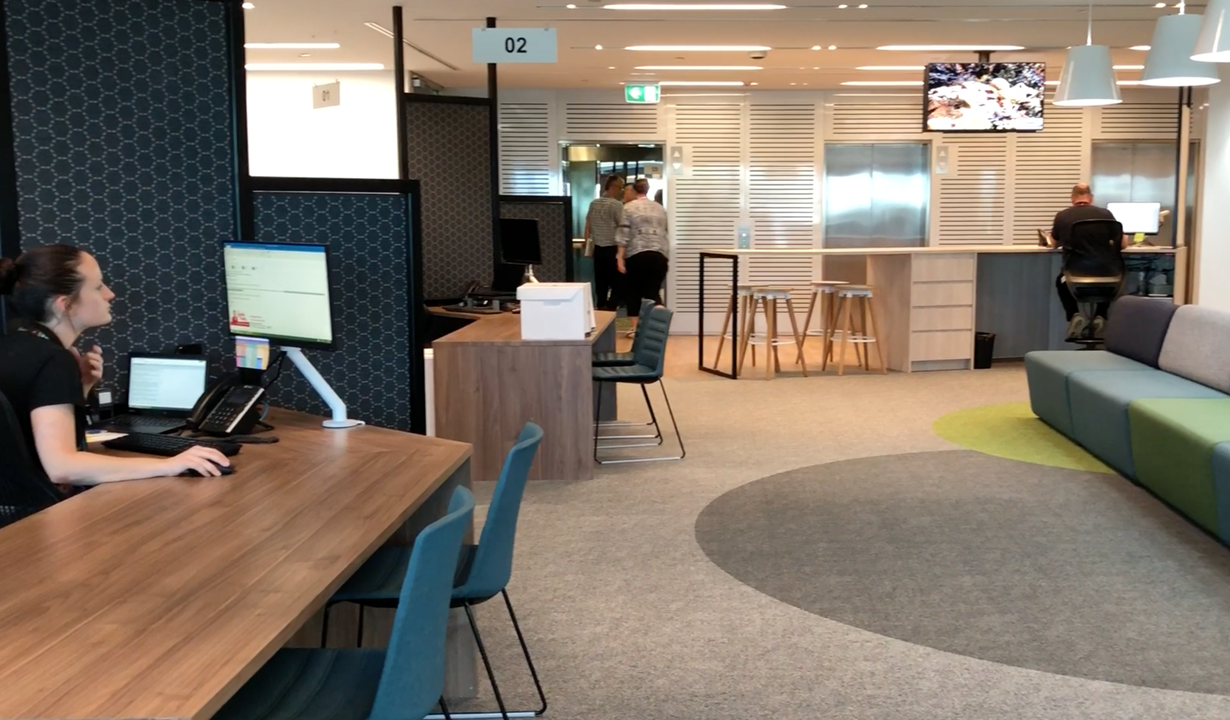
Decision: Removed screens and prototyped new trauma-informed layouts, zones and interaction models directly within a live centre with real staff and clients.
Trade-offs: Required temporary operational disruption and staff trust; perceived risk of escalation during early prototypes.
Why it was right: Humanised interactions, reduced defensiveness and changed the emotional tone of the space.
After testing: Escalations reduced immediately; staff reported feeling safer without the screen due to calmer client behaviour.
3: Humanising the space to reduce anxiety and enable calmer interactions
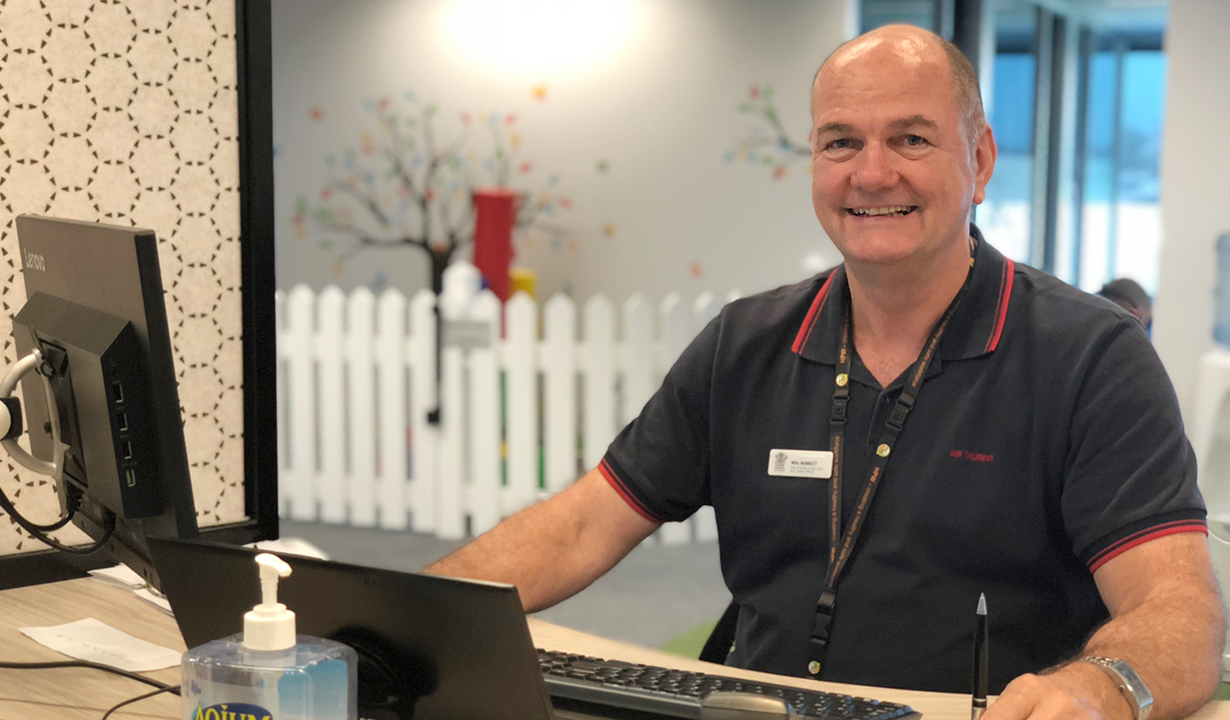
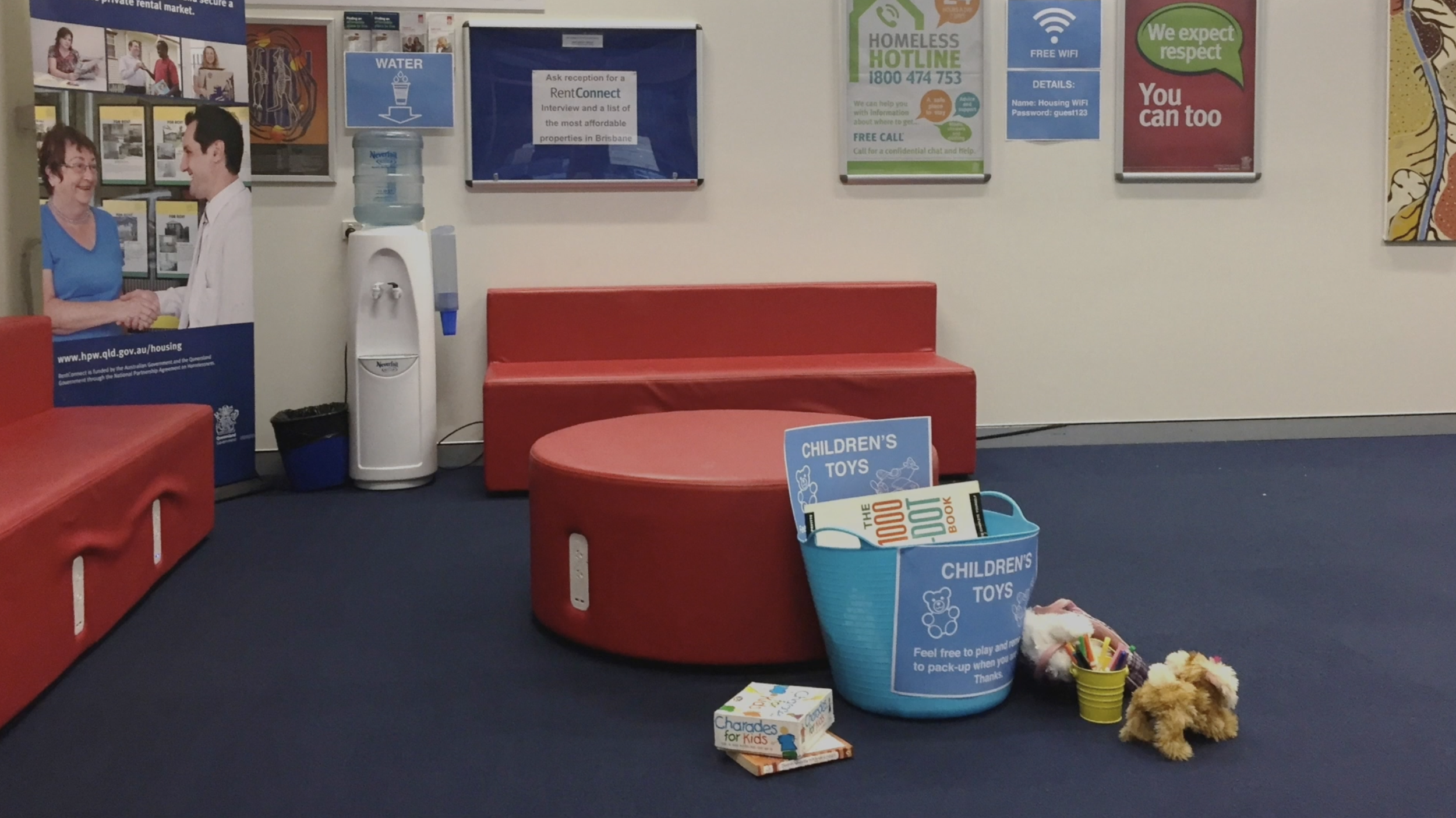
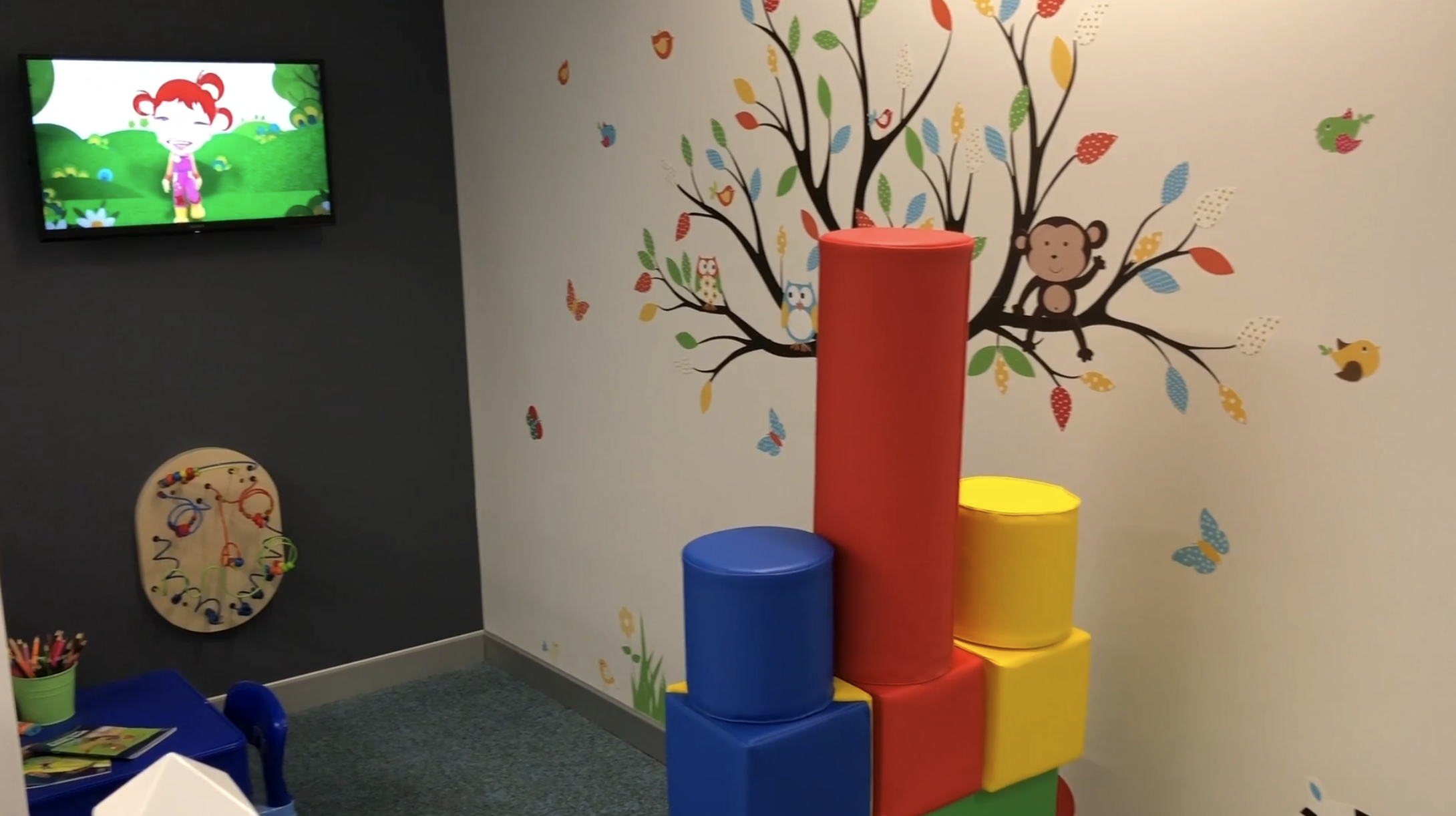
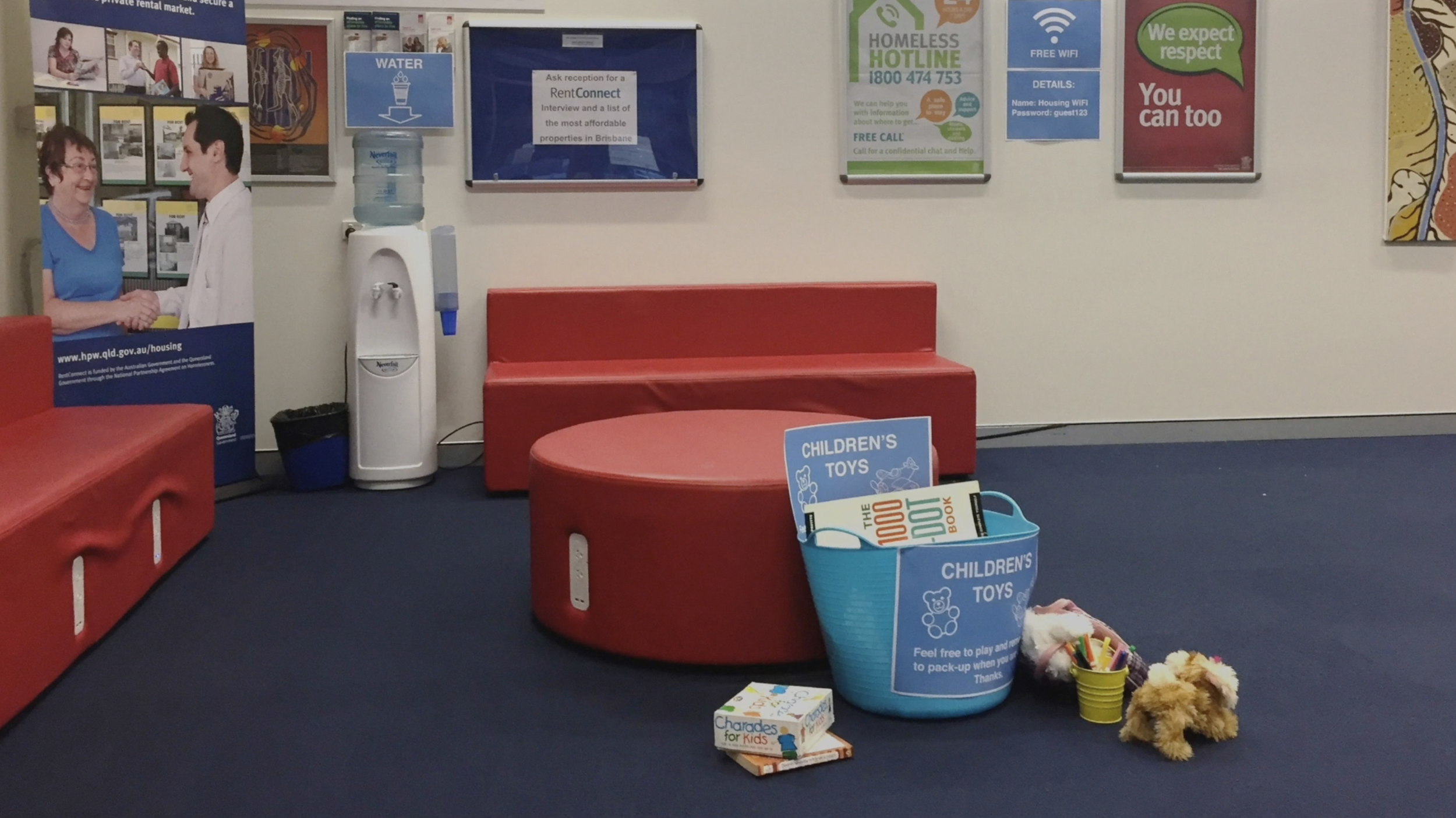
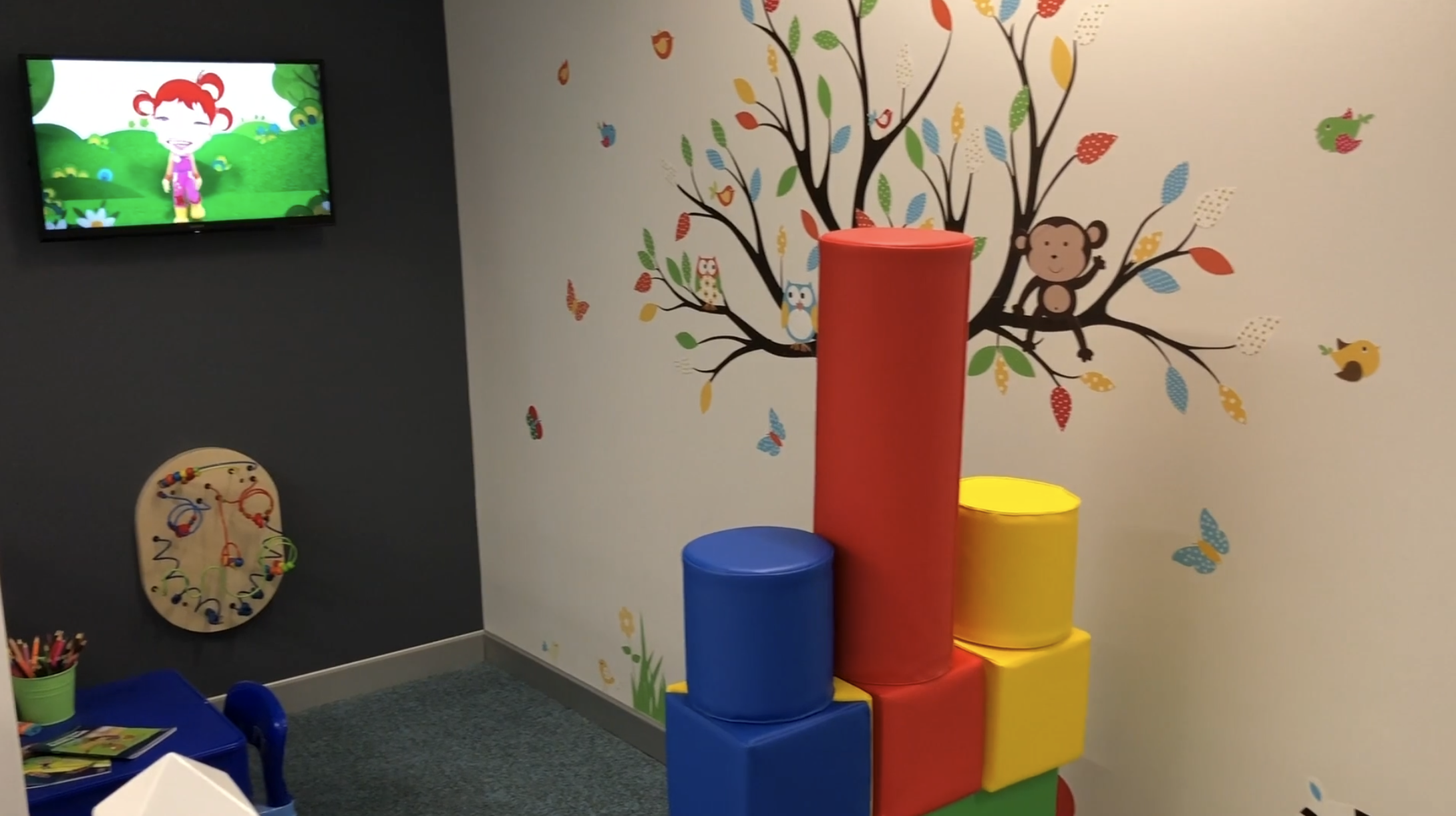
Issue: The environment lacked basic human supports (water, comfortable seating, children’s activities) and staff and customers were separated, contributing to tension and unmet needs.
Decision: Added simple but high-impact elements, water station, comfortable seating, children’s play area, and introduced roving staff roles to address questions and triage needs proactively.
Trade-offs: Required behaviour change from staff and small operational investment; challenged legacy norms about risk and safety.
Why it was right: Reduced stress, increased trust and enabled more supportive interactions that de-escalated situations before they intensified.
After testing: Clients reported feeling “more human” and supported; roving staff resolved many needs early, reducing wait times and frustration.
Reflections
Proud of:
Transforming a high-stress, defensive environment into a calm, supportive space.
Removing physical barriers and proving that humanisation increases safety, not reduces it.
Designing a unified service model and triage structure that reduced friction, improved outcomes and scaled across centres.
Seeing immediate and sustained behavioural improvements from simple, human-centred environmental changes.
Would change:
Engage broader agency partners earlier to improve end-to-end system alignment.
Provide more structured transition support for staff who were uncomfortable with removing barriers or adopting new roles.
Outcomes
A new Housing Service Centre service model now used as the template for future centres across Queensland, replacing fragmented pathways with coordinated, predictable support.
Improved first-time resolution through the new triage model, reducing misdirected referrals and easing pressure on crisis housing pathways.
A safer, more human environment, removal of perspex barriers, reconfigured spaces, humanising elements (water, seating, children’s play areas) and roving staff dramatically reduced escalation and increased trust.
Positive shifts in staff culture and confidence, frontline workers reported feeling more empowered, supported and capable of delivering high-quality, empathetic service.
National recognition, the work received a Good Design Award, acknowledging its impact on service quality, safety, and capability uplift across the sector.
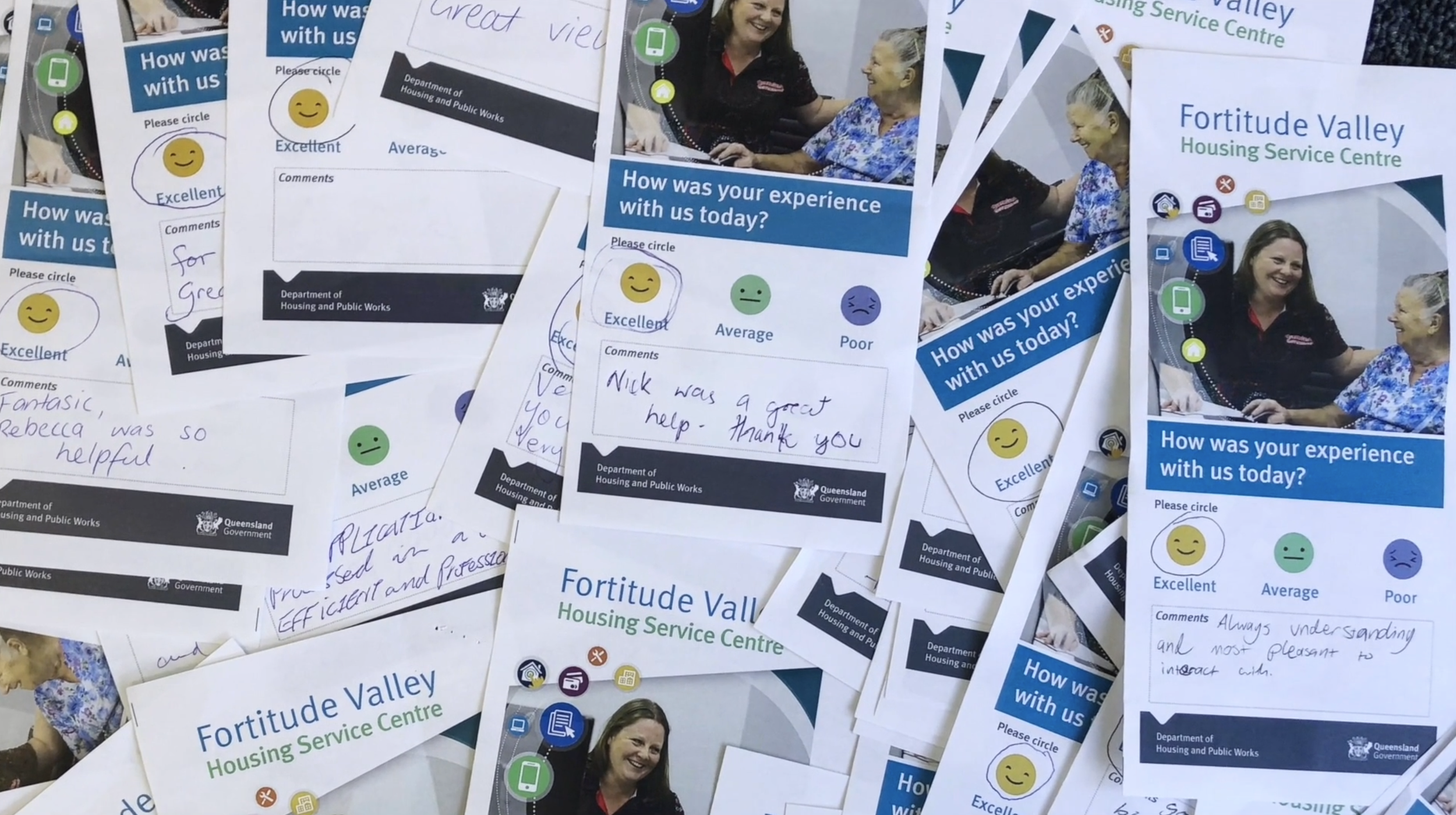
99% positive feedback rate from customers up to 12 months after opening the doors of their new centre and services.