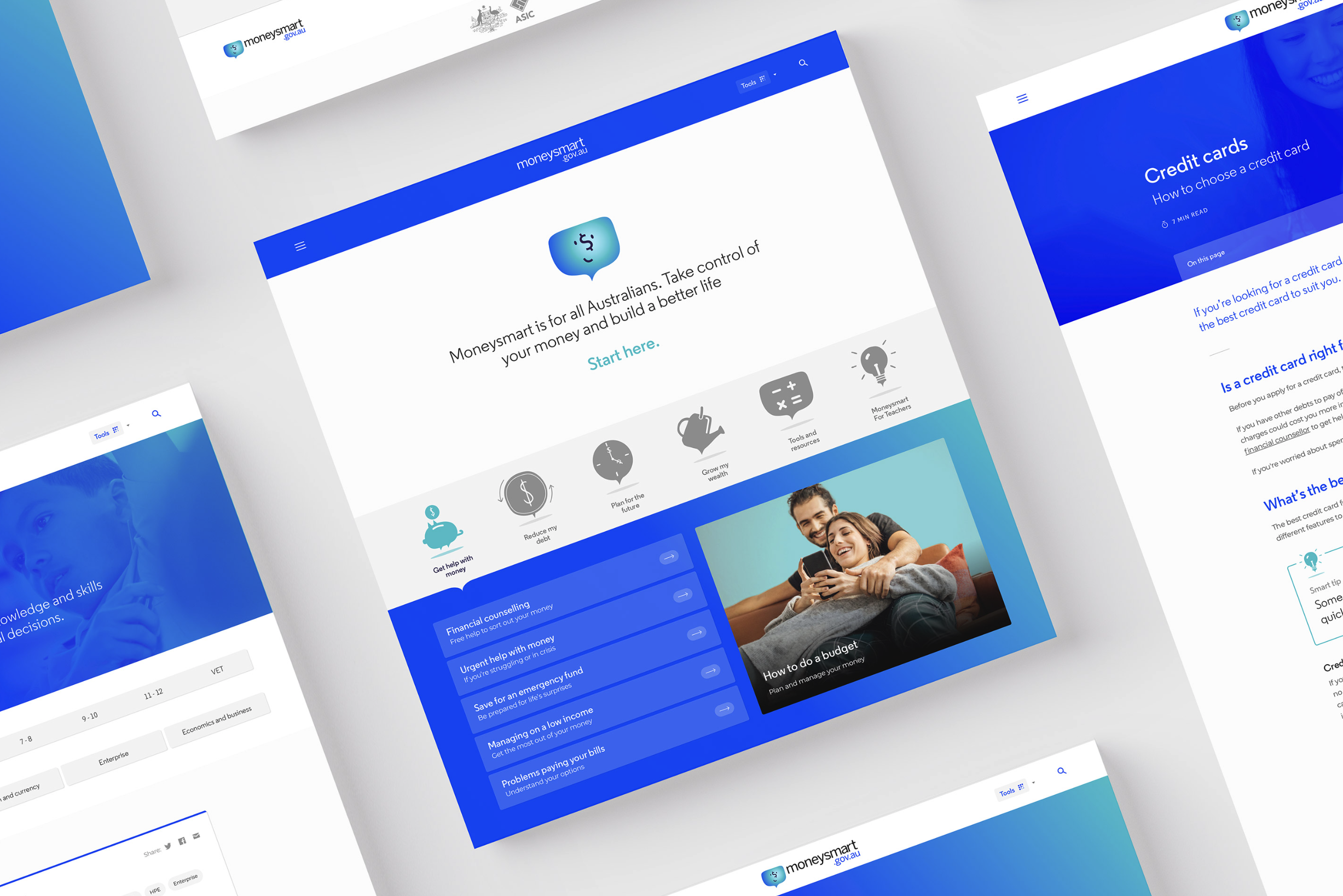
MoneySmart: National Financial Wellbeing Platform
MoneySmart is Australia’s national financial literacy platform, now used by more than 11 million people annually and central to the Government’s financial wellbeing agenda.
The project aimed to transform a large, text-heavy, legacy site into a clear, actionable service that helped Australians understand financial concepts and take confident action, especially during a period of rising cost-of-living stress.
This required rethinking navigation, content, tools, behavioural framing and user experience holistically.
Financial stress affects millions, and an ASIC review found that MoneySmart needed to move from passive information delivery to active decision support, so we were there to help.
Role & Responsibilities
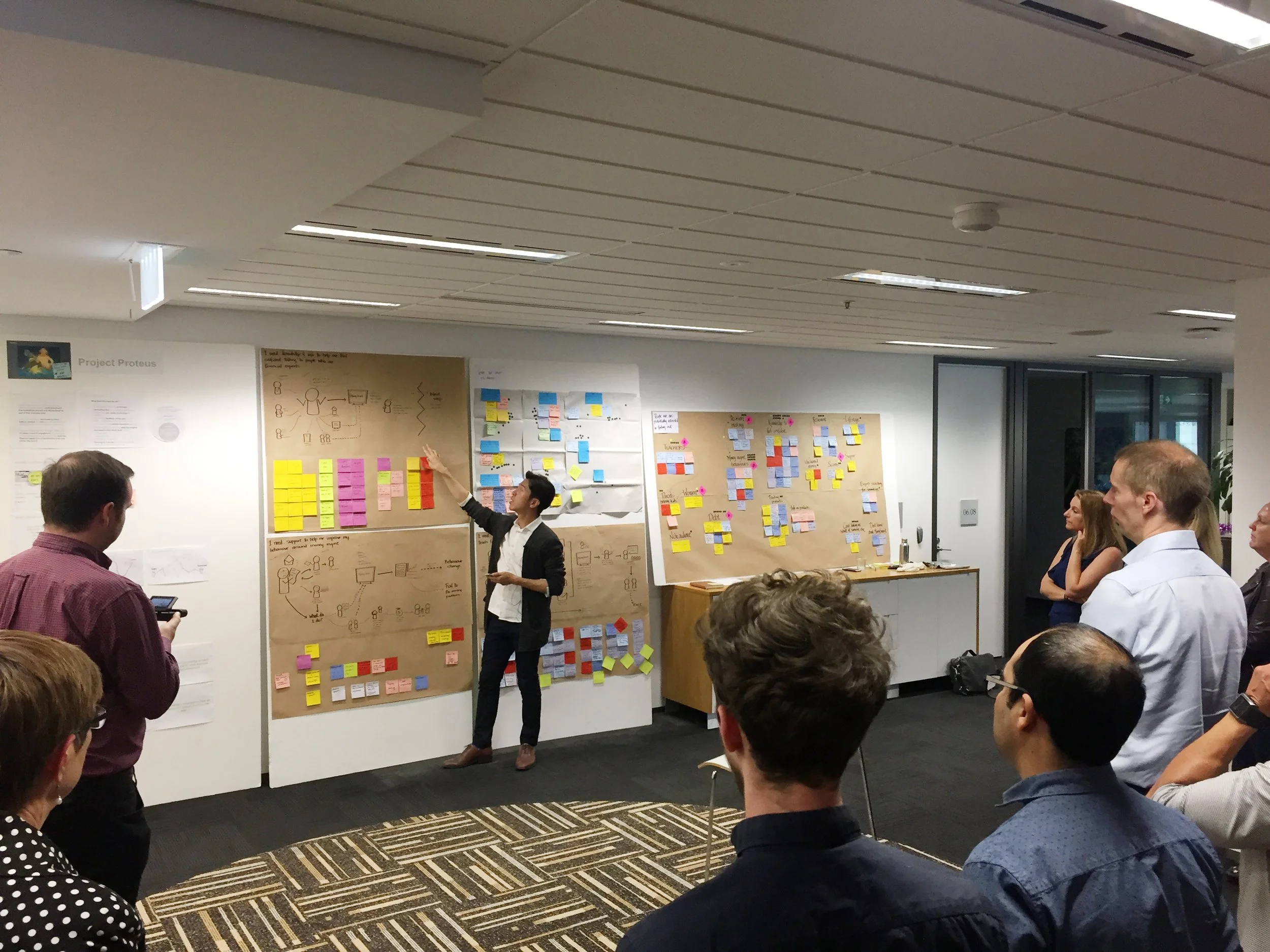
Led the project and team across research, ideation, prototyping and testing before supporting detailed delivery.
Led redesign across IA, tools, content structure and behaviour-led journeys.
Synthesised user research, behavioural insights and ASIC requirements into design direction.
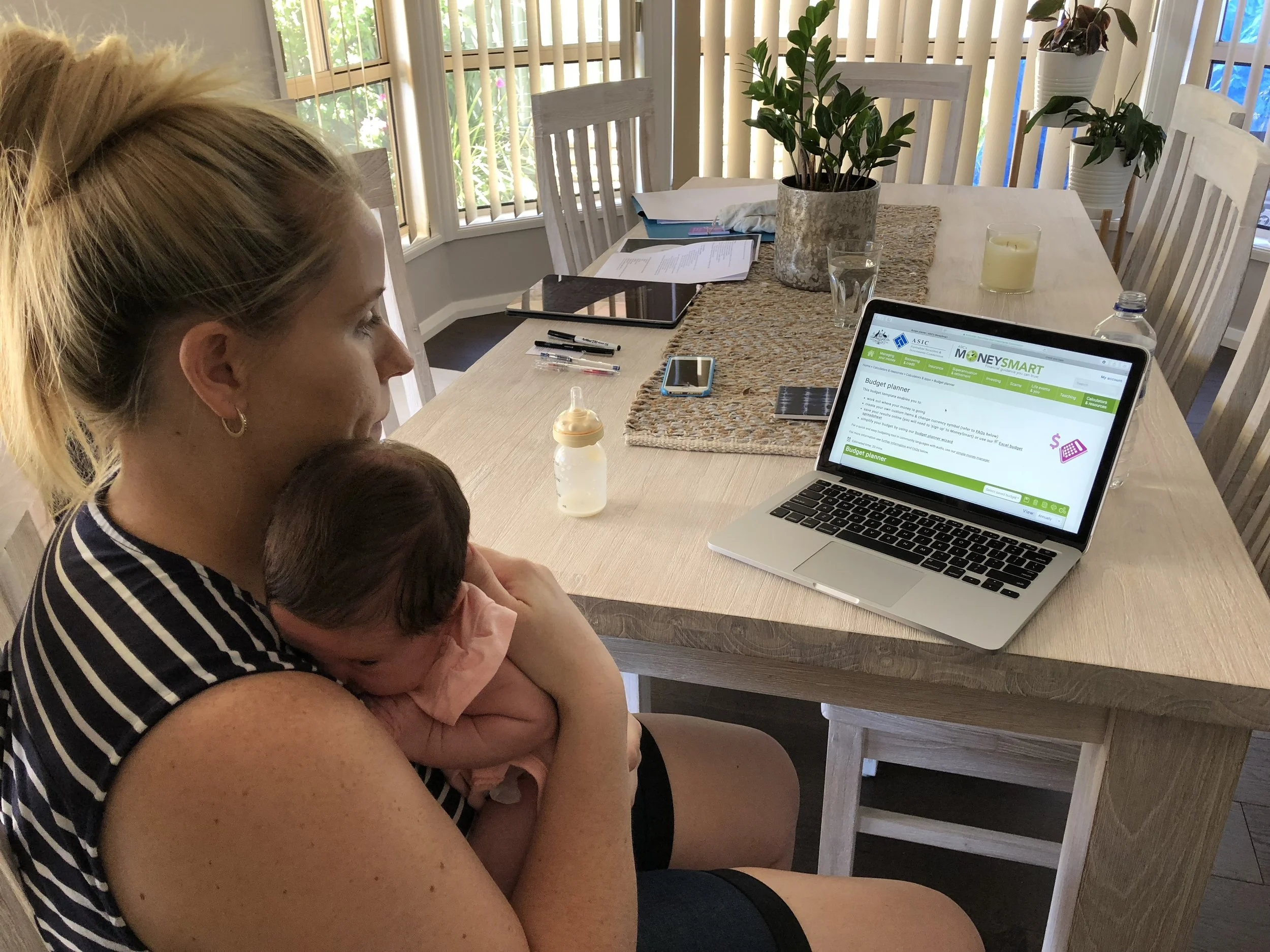
Facilitated testing with diverse financial literacy cohorts.
Defined end-to-end user journeys for key financial goals.


What made this problem difficult
Extremely diverse audiences, from teens to retirees, migrants, families, people in hardship, first-time borrowers. All with different contexts and needs.
Hundreds of legacy pages with inconsistent quality, depth, tone and structure.
Strict ASIC requirements: content must be accurate, compliant, neutral and safe, making keeping up with fast-evolving topics difficult.
Tools and calculators had to be mathematically accurate, trustworthy and accessible to low-literacy users.
The existing IA did not support different user intentions (“quick answer” vs. “deep guidance”).
The key strategic design questions
How do we reduce cognitive load so financial concepts feel manageable, not overwhelming?
What IA structure supports both quick answers and deep guidance across a huge content library?
How do we shift behaviour from passive reading to active decision-making and action?
What content structures, tone and interaction patterns increase confidence during financial stress?
How do we support different levels of financial literacy without confusing or overwhelming users?
Key design decisions
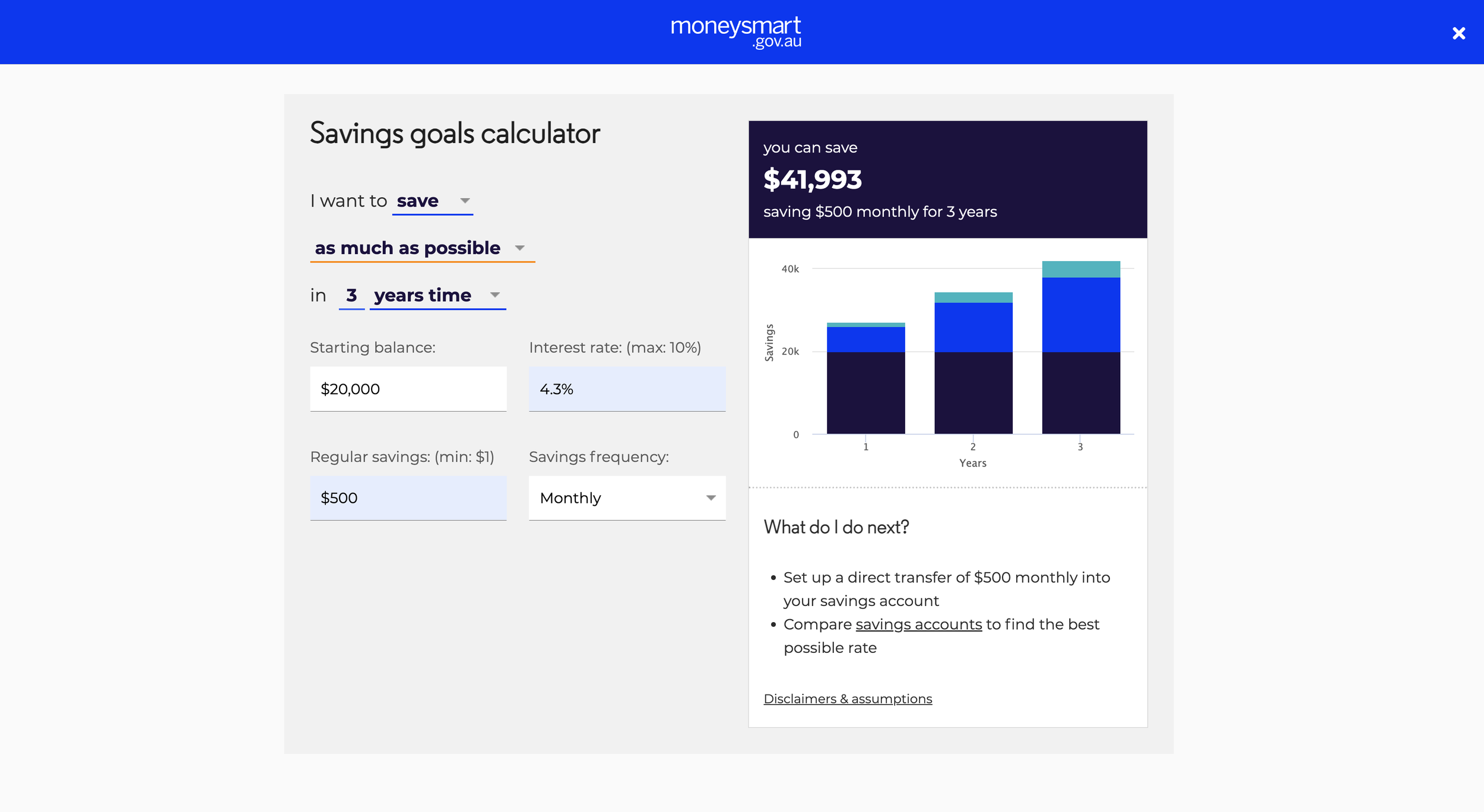
1: Make tools the hero of the experience
Issue: Users consumed articles but rarely took action; tools were hidden behind long content pages, and action-taking was low.
Decision: Introduced tool-led journeys where users begin with calculators, simulators and decision tools that are context specific to them and provide value but are supported by concise, contextual guidance on the page.
Trade-offs: Required significant redesign of tools, new interaction patterns, refined IA, and improved instruction and outcome explanations.
Why it was right: People learn by doing. Placing tools upfront allowed users to explore scenarios with data relevant to them, increasing engagement, clarity and confidence.
After testing: Users reported feeling “more in control.”
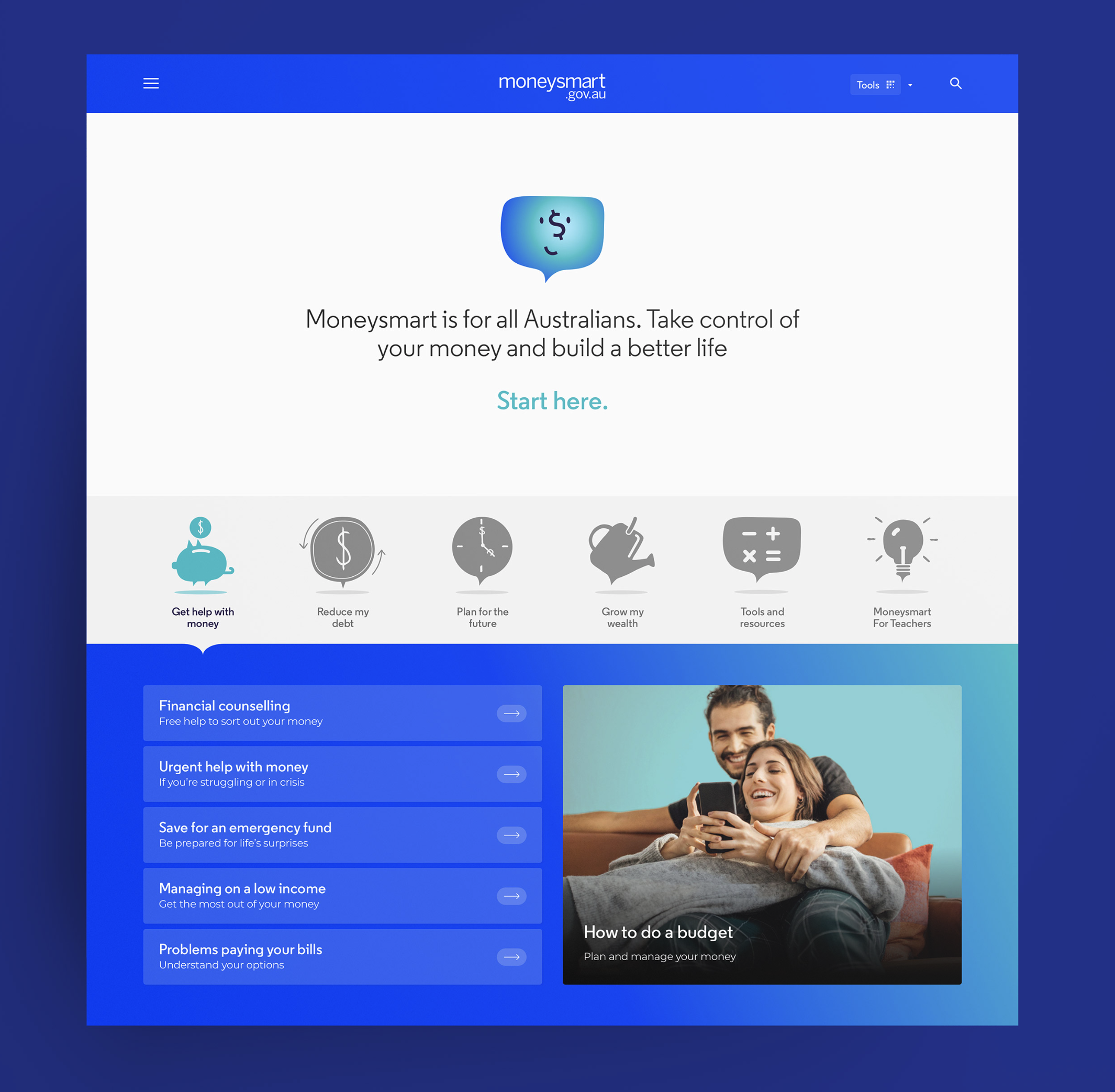
2: Shift to a goal-oriented, behaviour-led Information Architecture
Issue: The topic-based IA was text-heavy, fragmented and overwhelming. Users, especially those in financial stress, didn’t know where to start.
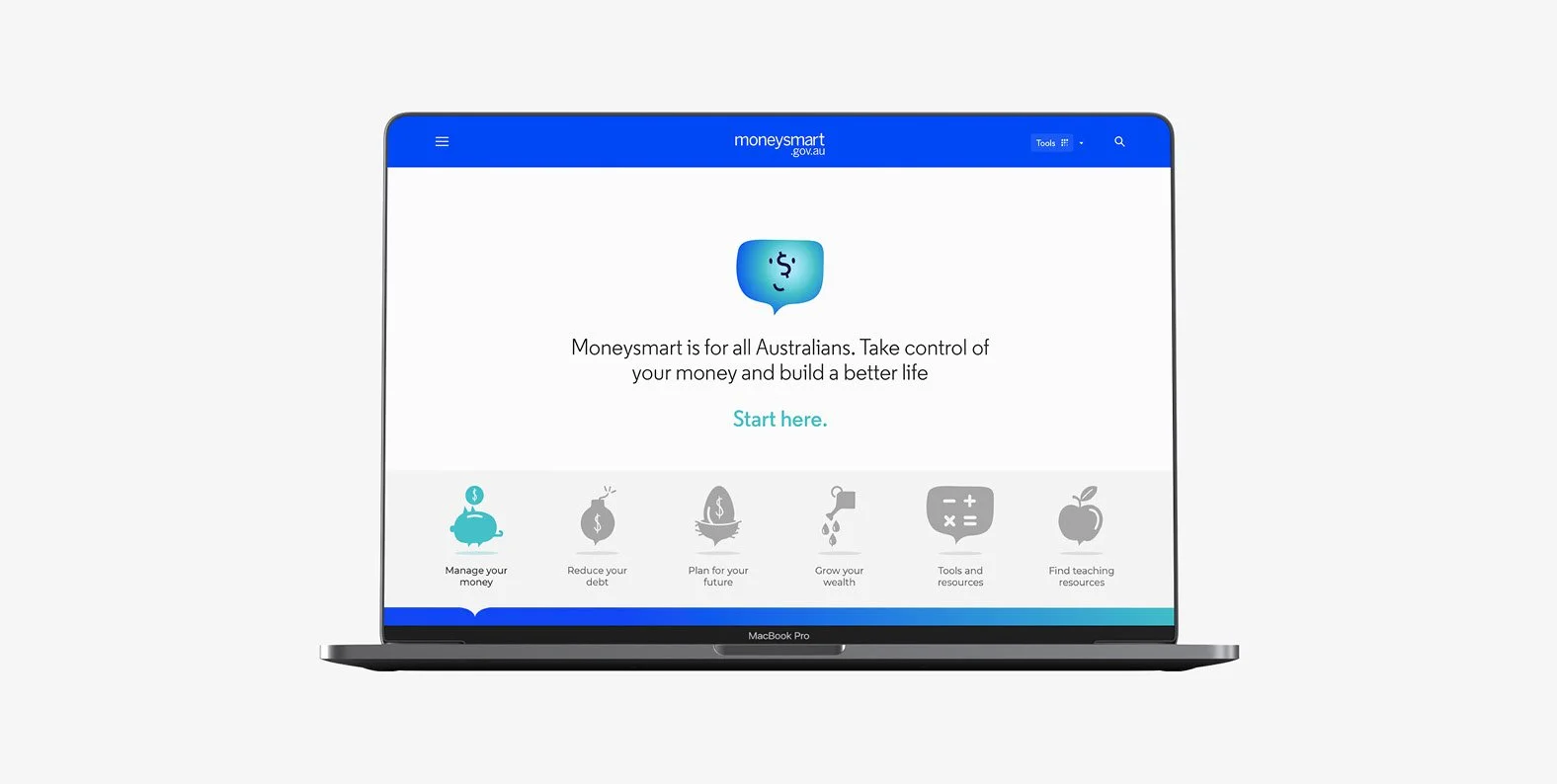
Decision: Rebuilt the IA around real-life financial goals (“Manage money,” “Reduce debt,” “Plan for the future,” “Grow wealth”). Structured clear journeys with steps, tools, and next actions.
Trade-offs: Large rewrite effort across legacy content and the need to restructure navigation and pathways.
Why it was right: Users could self-identify quickly, increasing clarity, confidence and ease of orientation. It aligned directly with behavioural research: people think in goals, not categories.
After testing: Goal-led journeys outperformed original topic-based navigation. Users reached relevant content, feeling “less overwhelmed.”
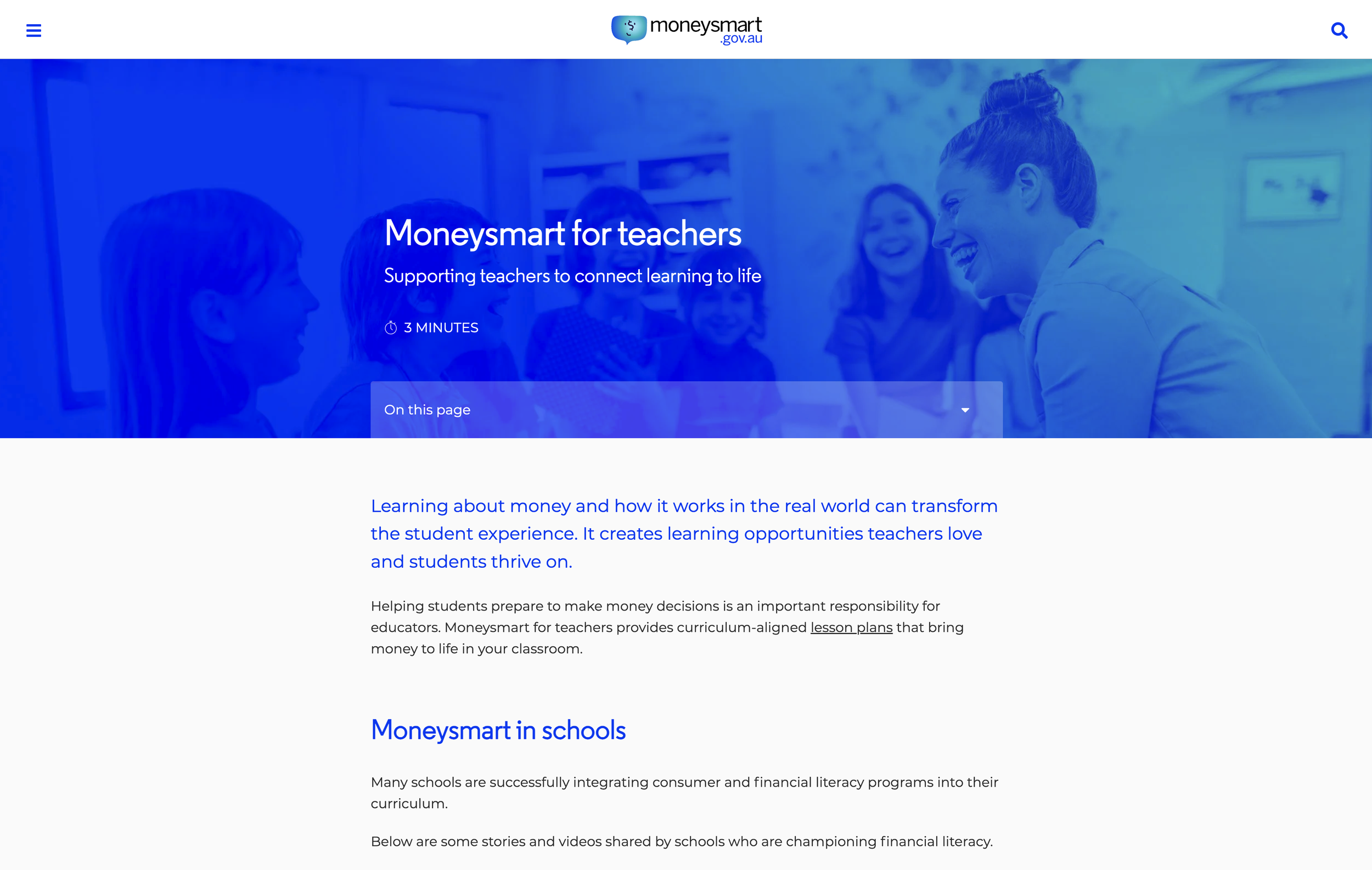
3: Integrate teaching resources to support classroom financial capability
Issue: MoneySmart had strong public use, but teachers lacked clear, curriculum-aligned materials. Educators were using inconsistent third-party content, making classroom delivery difficult and limiting long-term financial capability.
Decision: Integrated a dedicated teaching resources pathway into the IA with curriculum-aligned lesson plans, classroom activities and simplified student versions of key tools (e.g., spending planners, budgeting exercises), enabling teachers to confidently use MoneySmart in the classroom.
Trade-offs: Required the rebalancing of effort between consumer content and teacher-focused materials, but critical as teachers are an important contributor to improved financial literacy and capability.
Why it was right: Early education is the highest-leverage driver of long-term financial wellbeing. Embedding structured, ready-to-use teaching resources made MoneySmart a national financial capability platform rather than just a public information site.
After testing: Teachers reported higher confidence and ease of use; more than 70% of all Australian schools have accessed the resources on ASIC's MoneySmart website since.
Reflections
Proud of:
Turning a dense, legacy government website into a clear, actionable financial wellbeing platform.
Creating unified IA and UX flows that improved usability, value and outcomes for users.
Reducing cognitive overload in an emotionally high-stress domain.
Designing journeys that helped people take actual financial action, not just read content.
Laying foundations for scalable, repeatable design patterns that ASIC continues to build on.
Would change:
Push further into personalised decision-support to tailor guidance to individual circumstances.
Stronger multi-language and inclusive design support to address diversity more fully.
Outcomes
11+ million Australians use MoneySmart each year.
Tools and calculators used approximately 6.2 million times annually.
Improved mobile usability and action-taking across all tools.
70% of all Australian schools have accessed the resources on ASIC's MoneySmart website.